
How Social Media Shapes the Paris Escort Industry Today

For years, the Paris escort industry operated behind closed doors-phone calls, word-of-mouth, and discreet flyers in back-alley bulletin boards. But that was before Instagram, Snapchat, and TikTok turned personal branding into a full-time job. Today, if you're an escort in Paris, your profile isn't just a listing-it's a portfolio, a stage, and sometimes, your only income source.
From Street Corners to Feeds
Twenty years ago, escorts in Paris relied on agencies or private networks. Clients found them through trusted referrals or classified ads in niche magazines. Now, most independent escorts build their own presence online. A simple Instagram account with curated photos, a few videos, and a clear bio can bring in more bookings than a whole agency ever did. It’s not just about looks anymore-it’s about personality, consistency, and knowing how to tell a story.
Take Marie, a 29-year-old escort based in the 16th arrondissement. She started posting twice a week in 2022: one photo of her at a café in Montmartre, another with a book she was reading, and one candid shot with a client’s bouquet (blurred, of course). Within six months, her direct messages turned into regular bookings. She doesn’t use an agency. She doesn’t have a website. She just posts, replies, and stays consistent.
What Platforms Actually Matter?
Not every app works the same. Instagram remains the most powerful tool. Why? It’s visual, private, and lets users control who sees what. Stories disappear after 24 hours-perfect for behind-the-scenes content without leaving a permanent trace. Reels help with discoverability. Hashtags like #ParisEscort or #ParisDate help people find profiles when they search.
TikTok is growing fast, but it’s riskier. Videos that go viral can attract unwanted attention-from law enforcement, journalists, or even stalkers. Most serious escorts avoid TikTok for that reason. Snapchat is used for quick, encrypted communication with repeat clients. WhatsApp is the go-to for scheduling, confirming prices, and sharing meeting details.
Some use OnlyFans as a secondary income stream, offering exclusive content to subscribers. Others use private Telegram groups to share updates with loyal clients. The key isn’t using every platform-it’s picking the ones that give you control, privacy, and reach.
How Clients Find Escorts Now
The old directories-like those listing phone numbers and addresses-are nearly dead. Instead, clients scroll through tagged posts, search location-based hashtags, or follow recommendations from friends. A client might see a photo tagged #ParisDate, click the profile, and send a DM asking, “Are you available Friday?”
Google searches still happen, but they’re mostly for reviews. People type “best escort Paris 2026” or “is Paris escort legal?” They don’t look for listings-they look for validation. That’s why many escorts now write short blog posts or share testimonials (anonymized) on their Instagram bio links.
There’s also a shift in who’s booking. More clients are younger-mid-20s to early 40s. They’re tech-savvy, value authenticity over glamour, and want to know what kind of person they’re meeting, not just what they look like. A profile that shows humor, intelligence, or a love for jazz clubs in Le Marais gets more replies than one with only studio lighting and lingerie.

The New Rules of the Game
Working online means following unspoken rules. Here’s what works in 2026:
- Consistency beats perfection. Posting twice a week is better than posting once a month with a flawless photo shoot.
- Be human. Clients respond to real moments-a coffee cup in the background, a rainy day in the Jardin du Luxembourg, a dog in the frame.
- Never show your face in every post. Many use profile shots that hide identity-back views, hands holding a drink, or reflections in mirrors.
- Set boundaries early. Clear pricing, no-contact policies, and location rules are stated in the bio. No guesswork.
- Use a separate phone number. Burner numbers or virtual numbers from apps like Google Voice are standard.
And yes-law enforcement is watching. Paris police have started monitoring hashtags and public profiles. In 2025, they shut down three major Instagram accounts linked to organized escort operations. But most independent workers stay under the radar by keeping things low-key and avoiding anything that looks like advertising.
What’s Changed in the Last Five Years?
In 2020, most Paris escorts charged €150-€250 per hour. By 2024, rates jumped to €300-€500, especially for those with strong online profiles. Why? Because demand grew, and supply shrank. Many older escorts retired or moved into other work. New entrants had to stand out.
Language skills matter more now. English, German, and Mandarin speakers earn more. Clients from Asia and North America expect communication in their native tongue. One escort, Léa, who speaks fluent Mandarin, says she books double the clients from China and Singapore because she can chat with them before they even arrive.
Location matters too. Escorts in the 7th, 16th, and 8th arrondissements command higher rates than those in the 18th or 19th. It’s not just safety-it’s perception. Clients associate certain neighborhoods with luxury, discretion, and exclusivity.
The Risks Are Real
Working online doesn’t mean it’s safe. Scammers pose as clients. Some try to record you without consent. Others demand free services after seeing your profile. A 2025 survey by a Paris-based advocacy group found that 37% of independent escorts had been scammed at least once in the past year.
Most now use verification tools: asking for ID, requiring payment upfront via crypto or bank transfer, and avoiding meetings in private homes unless they’ve met the person before. Many now meet in hotel lobbies or public spaces first-just to check if the person matches their profile.
There’s also mental strain. Constantly curating your image, replying to DMs at 2 a.m., and dealing with rejection or judgment takes a toll. Some escorts hire assistants to handle messages. Others take monthly breaks. The industry isn’t glamorous-it’s exhausting, and it’s real.
What’s Next?
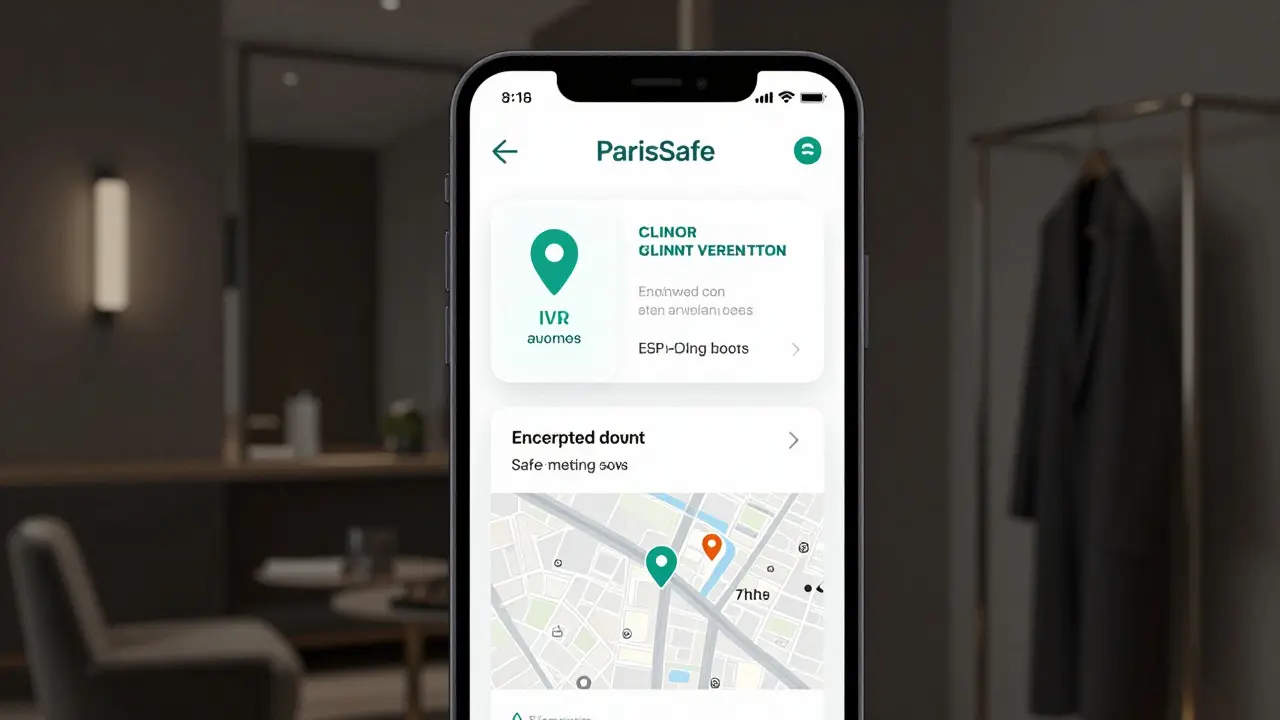
The next shift won’t be about more platforms. It’ll be about tools. Apps are emerging that let escorts verify clients anonymously, log bookings securely, and even generate contracts. One new tool, called ParisSafe a mobile app designed for independent escorts in Paris to verify clients, log appointments, and report suspicious activity, launched in late 2025. It’s already used by over 1,200 workers.
Legal changes are coming too. France doesn’t criminalize selling sex, but it does ban advertising it. That means escort profiles are technically illegal. But enforcement is patchy. Authorities focus on organized networks, not individuals. Most escorts operate in a gray zone-careful, quiet, and smart.
One thing’s clear: the Paris escort industry isn’t disappearing. It’s evolving. And social media isn’t just a tool-it’s the new foundation.
Is it legal to be an escort in Paris?
Yes, selling sexual services is not illegal in France. However, advertising, pimping, or working through agencies is. That means an individual can legally offer companionship and intimate services, but they can’t post public ads, run a website, or hire others to do the same. Most escorts work in a legal gray area-using private messaging and word-of-mouth to avoid crossing into prohibited territory.
Do escorts in Paris use dating apps like Tinder?
A few do, but it’s risky. Tinder and similar apps are monitored by police and can lead to account bans or legal scrutiny. Most prefer private platforms like Instagram, WhatsApp, or Telegram, where they control who sees their content and how it’s shared. Using dating apps increases exposure to scams and law enforcement monitoring.
How do clients pay for services in Paris?
Cash is still common, especially for first-time meetings. But digital payments are rising fast. Many now use bank transfers, crypto (like Bitcoin or USDT), or prepaid cards. Some use apps like Revolut or Wise to send money anonymously. Payment is usually required before the meeting, either as a deposit or full fee, to reduce the risk of no-shows or scams.
Are there male escorts in Paris too?
Yes, and their numbers have grown significantly since 2022. Male escorts often focus on corporate clients, LGBTQ+ travelers, or high-net-worth individuals. They tend to use LinkedIn and private Instagram accounts more than public hashtags. Rates for male escorts can be higher-often €400-€700 per hour-especially for those with professional backgrounds like modeling, acting, or finance.
Can you be an escort part-time in Paris?
Absolutely. Many work part-time while studying, freelancing, or holding another job. The flexibility is one reason the industry has grown. Some work one or two nights a week. Others take weekend bookings only. Social media makes it easy to manage availability without a fixed schedule. The key is consistency and clear boundaries-not how often you work.