
How to Deepen Your Connection with Tantra Massage
Most people think of massage as a way to relax sore muscles. But tantra massage isn’t about kneading out tension-it’s about awakening presence. It’s not sex. It’s not a spa treatment. It’s a slow, intentional practice that brings two people into deep, quiet connection through touch. If you’ve ever felt disconnected in your relationship, or just wish you could feel more alive in your body, tantra massage offers a path back.
What Tantra Massage Really Is
Tantra massage comes from ancient Indian spiritual traditions, but today it’s stripped of dogma and focused on experience. It’s not about arousal or orgasm. It’s about noticing-how your breath changes when someone’s hands move across your back, how your shoulders drop when touch lingers just a little longer than usual. The goal isn’t to get somewhere; it’s to be exactly where you are.
Unlike Swedish or deep tissue massage, tantra doesn’t follow a set routine. There’s no pressure to perform, no need to ‘get off.’ Instead, the giver learns to listen with their hands. The receiver learns to let go without needing to fix anything. It’s not about technique-it’s about attention.
Studies on touch and bonding show that sustained, non-goal-oriented contact increases oxytocin levels-the hormone linked to trust and closeness. Tantra massage works because it’s one of the few practices in modern life that asks you to slow down long enough to feel another person.
Why Connection Matters More Than Technique
Too many people search for tantra massage online and end up watching videos of elaborate rituals, candlelit rooms, and mysterious hand movements. But the real magic isn’t in the choreography. It’s in the silence between touches.
Imagine this: your partner’s fingers trace the curve of your spine. Not fast. Not to stimulate. Just there. You feel the warmth. You notice how your breath catches. You don’t say anything. They don’t either. That moment-where words aren’t needed-is where tantra lives.
Most relationships lose this. We talk about schedules, bills, chores. We touch out of habit, not awareness. Tantra massage rebuilds that bridge. It doesn’t require nudity. It doesn’t require a specific setting. It only requires willingness-to be seen, to be still, to be touched without expectation.
How to Begin: A Simple Practice
You don’t need a professional to start. You can begin tonight, in your own bedroom, with someone you trust.
- Turn off all screens. No phones. No music with lyrics. Soft light only.
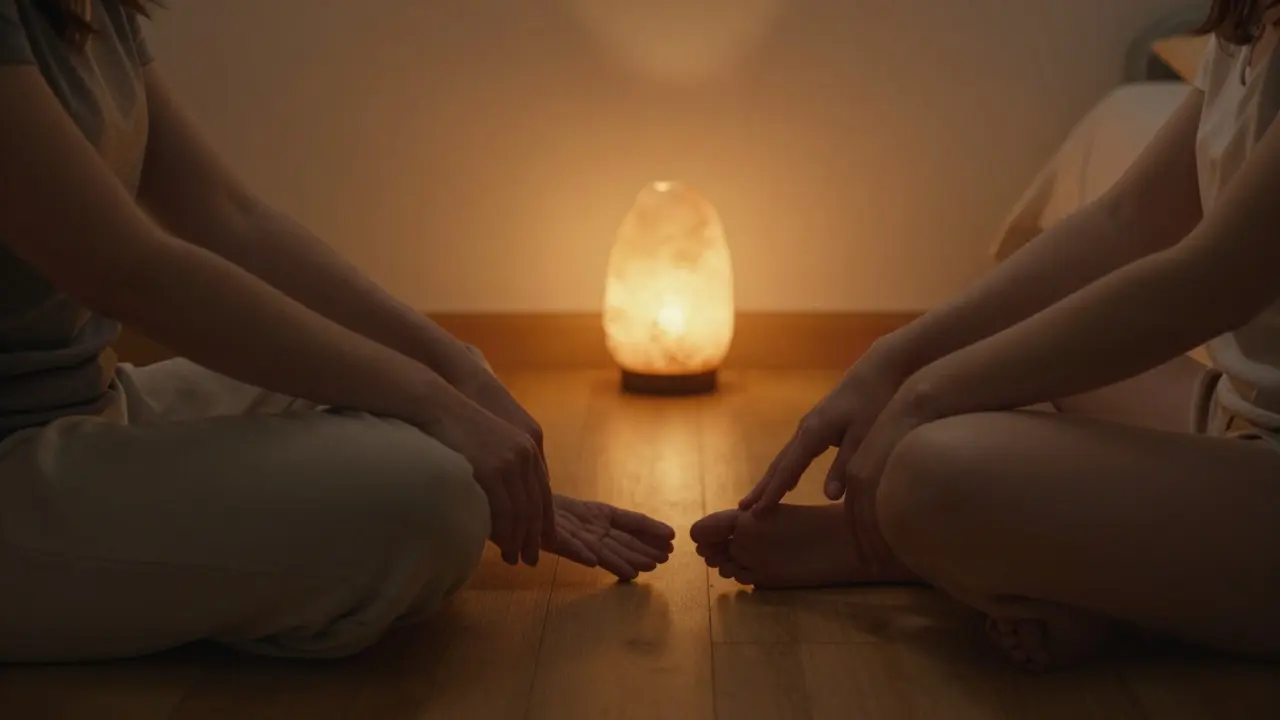
- Light a candle or use a salt lamp. Keep the room warm.
- Take five minutes to sit facing each other. Breathe together. No talking.
- One person lies down. The other stands beside them, hands resting gently on their hips.
- Begin touching slowly-just the skin, no oil yet. Move your hands like you’re feeling the warmth of their body, not trying to change it.
- Let each touch last at least 10 seconds before moving. If you feel the urge to speed up, pause. Breathe.
- Switch roles after 20-30 minutes.
This isn’t a performance. If your mind races to what you need to do next, that’s normal. Gently bring your attention back to the skin under your fingers. If your partner sighs, don’t try to fix it. Just stay there.

Common Misconceptions
Tantra massage is often misunderstood because it’s wrapped in mysticism or sold as a sexual service. Here’s what it’s not:
- It’s not a substitute for sex.
- It’s not about orgasms-even if they happen, they’re not the point.
- It’s not something you hire someone to do for you like a typical massage.
- It’s not a way to fix a broken relationship overnight.
What it is: a tool to rebuild intimacy. A way to rediscover that touch can be sacred without being sexual. A practice that teaches you how to be with someone without needing to change them-or yourself.
What Happens When You Keep Practicing
After a few sessions, people report things they didn’t expect:
- They notice their partner’s breathing patterns without being told.
- They start touching each other more during the day-a hand on the shoulder, a brush of fingers while passing a cup.
- Arguments feel less personal. There’s a quiet understanding that the other person isn’t the problem-they’re just human, trying to connect like you are.
- They feel more comfortable in their own skin. Not because they changed, but because someone else saw them without judgment.
One couple I worked with came in after five years of sleeping in separate rooms. They didn’t want sex. They didn’t want counseling. They just wanted to feel close again. After three sessions of simple, silent touch, they started holding hands while watching TV. Six months later, they were sleeping in the same bed again-not because they ‘fixed’ anything, but because they remembered how to be together.
When to Seek a Professional
Some people feel too uncomfortable to begin with a partner. That’s okay. A trained tantra massage practitioner can help you build comfort with touch in a safe, structured way.
Look for someone who:
- Offers a consultation before the session.
- Explains boundaries clearly and respects your limits.
- Doesn’t promise sexual outcomes.
- Focuses on your experience, not their technique.
Avoid anyone who uses terms like ‘sacred sex’ or ‘energy orgasm’ as selling points. Real tantra massage doesn’t sell fantasy-it offers presence.
What to Expect During a Session
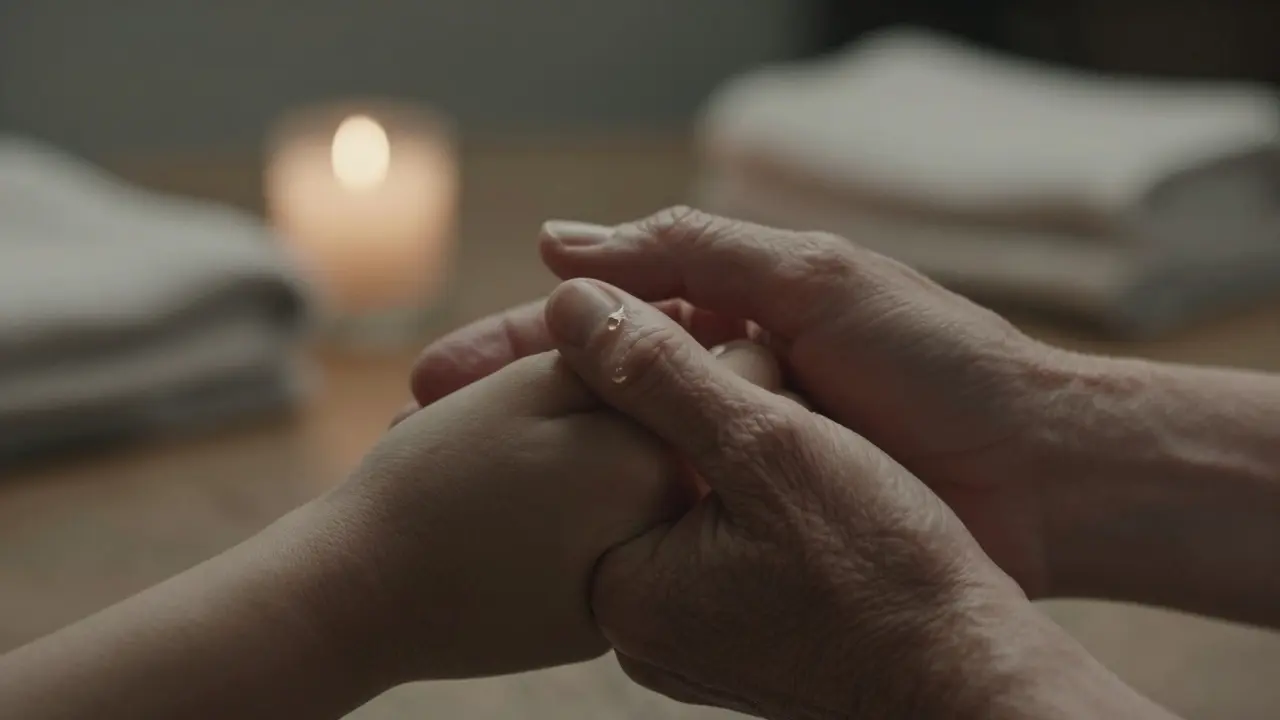
A professional session usually lasts 60-90 minutes. You’ll be fully draped. The practitioner will use warm oil, but only on areas you’ve agreed to. The touch is slow, deep, and continuous. There’s no nudity requirement. No talking unless you want to.
Some people cry. Some laugh. Some fall asleep. All of it’s normal. The body doesn’t always know how to release long-held tension-so it speaks in tears, shivers, or silence.
Afterward, you might feel lighter. Or numb. Or strangely tired. That’s not a side effect-it’s the body recalibrating. Give yourself time to rest. Drink water. Don’t rush back into your day.
Bringing It Home
Tantra massage isn’t something you do once and forget. It’s a practice, like meditation or journaling. The more you return to it, the more natural it becomes.
Try this: once a week, spend 10 minutes just touching your partner’s hand. No words. No agenda. Just feel the warmth, the pulse, the texture of their skin. Notice how your own hand changes when you stop trying to control it.
That’s tantra. Not in a candlelit room. Not with a guru. Just in the quiet between two people who choose to be present.
Is tantra massage the same as erotic massage?
No. Erotic massage is designed to lead to sexual release. Tantra massage is designed to deepen presence and connection. While arousal can happen during tantra, it’s not the goal. Many people experience deep relaxation, emotional release, or even tears-not orgasm.
Do I need to be naked for tantra massage?
No. Full nudity is never required. Most sessions use draping to maintain comfort and boundaries. The focus is on touch, not exposure. You stay covered wherever you feel vulnerable.
Can I do tantra massage with my partner if we’re not sexually active?
Yes. In fact, many couples who aren’t sexually active find tantra massage helps rebuild emotional closeness without pressure. It’s about connection, not performance. Touch without expectation can be the foundation for renewed intimacy-even if sex isn’t part of the picture.
How long does it take to feel the effects?
Some people feel a shift after just one session-a sense of calm, or a quiet feeling of being seen. Others need three to five sessions to fully let go of old patterns. The key isn’t time-it’s consistency. Even 10 minutes a week of mindful touch builds lasting change.
Is tantra massage only for couples?
No. Many people practice tantra massage alone or with a trained practitioner to reconnect with their own body. It’s not about relationships-it’s about presence. Whether you’re single, married, or divorced, you can benefit from learning how to touch and be touched with awareness.
What Comes Next
If you’ve read this far, you’re already on the path. You don’t need to book a session or buy a book. Start small. Sit with someone. Hold their hand. Don’t speak. Just feel.
The world moves fast. But connection doesn’t rush. It waits-in the quiet, in the pause, in the breath between touches. That’s where tantra lives. And that’s where you’ll find it too.