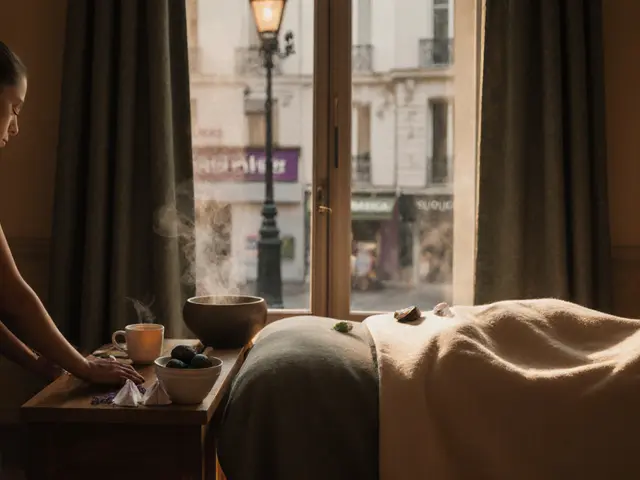
Thai Massage Techniques: An Inside Look at the Practice
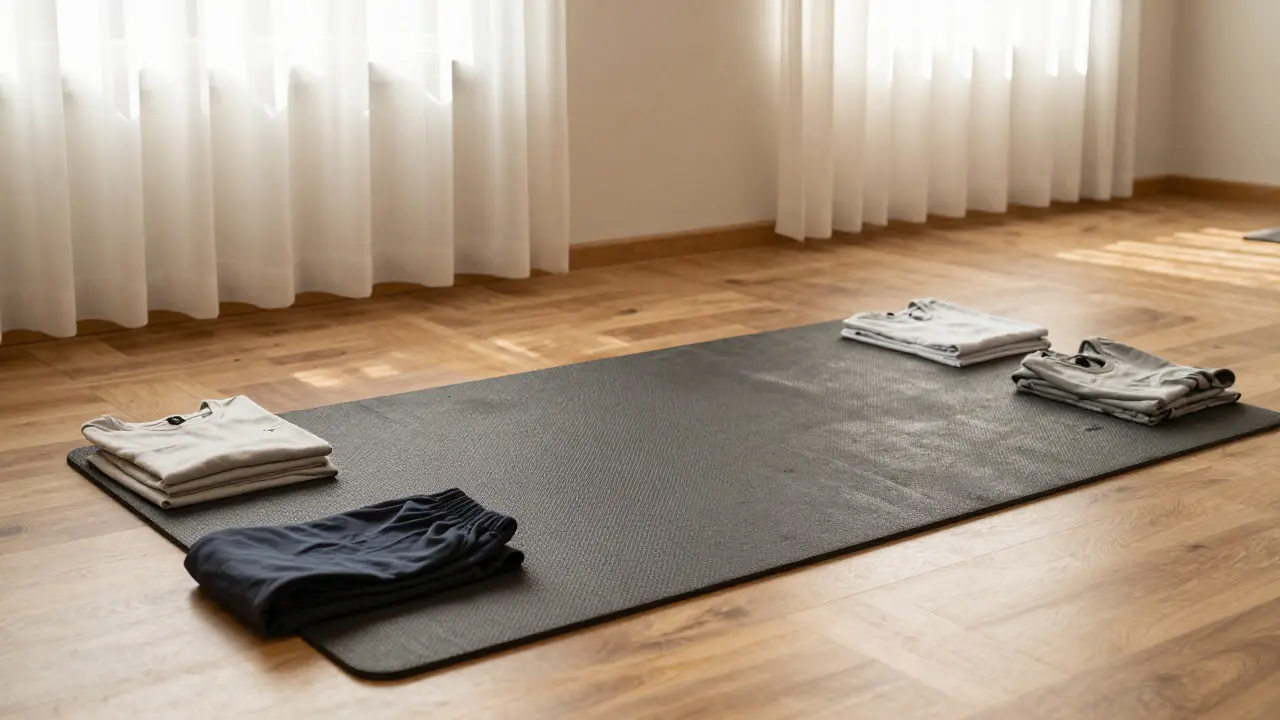
You might picture a massage as lying still while someone rubs oil into your back. That is not what happens here. When you step onto a mat for this treatment, you keep your clothes on. The therapist moves around you, pulling, pushing, and folding your limbs in ways that feel like a guided yoga class rather than a spa service.
Thai Massage is a therapeutic system that blends acupressure, yoga stretches, and joint mobility. It has its roots in the ancient healing traditions of Thailand, specifically tracing back to the Lanna Kingdom era where medical practices were deeply influenced by Indian Ayurveda. Over centuries, monks developed these techniques to treat monks and travelers alike. Today, it remains one of the most distinct forms of manual therapy available globally. Unlike Swedish massage, which uses gliding strokes to relax muscle tissue, this method uses gravity and leverage to align the body's structure.
The Core Mechanics of Movement
When a practitioner begins a session, they are not just working on soft tissue; they are working on the space between tissues. The movements are rhythmic and synchronized. A typical technique involves the therapist standing at your shoulder, placing their hand on your upper arm, and leaning their body weight into you. This creates a deep compression that travels through the muscle fibers.
This type of compression targets specific pressure points along the body. Think of them as switches that control blood flow and nerve signals. By pressing these points, the practitioner can release tension in areas you cannot reach yourself. For example, applying pressure to the ball of your foot can relieve tightness in your lower back. The connection runs through the nervous system, creating a full-body effect from a local touch.
Another core mechanic involves passive stretching. The therapist lifts your leg straight up against your torso or twists your spine gently. They hold these positions for thirty seconds or more. Your muscles resist at first, but eventually, they surrender to the movement. This sustained hold is key. In standard gym stretching, you often bounce or hold briefly. Here, the goal is to open the connective tissue slowly so it does not tear or spasm. The result is a feeling of spaciousness inside your joints.
Sen Lines and Energy Flow
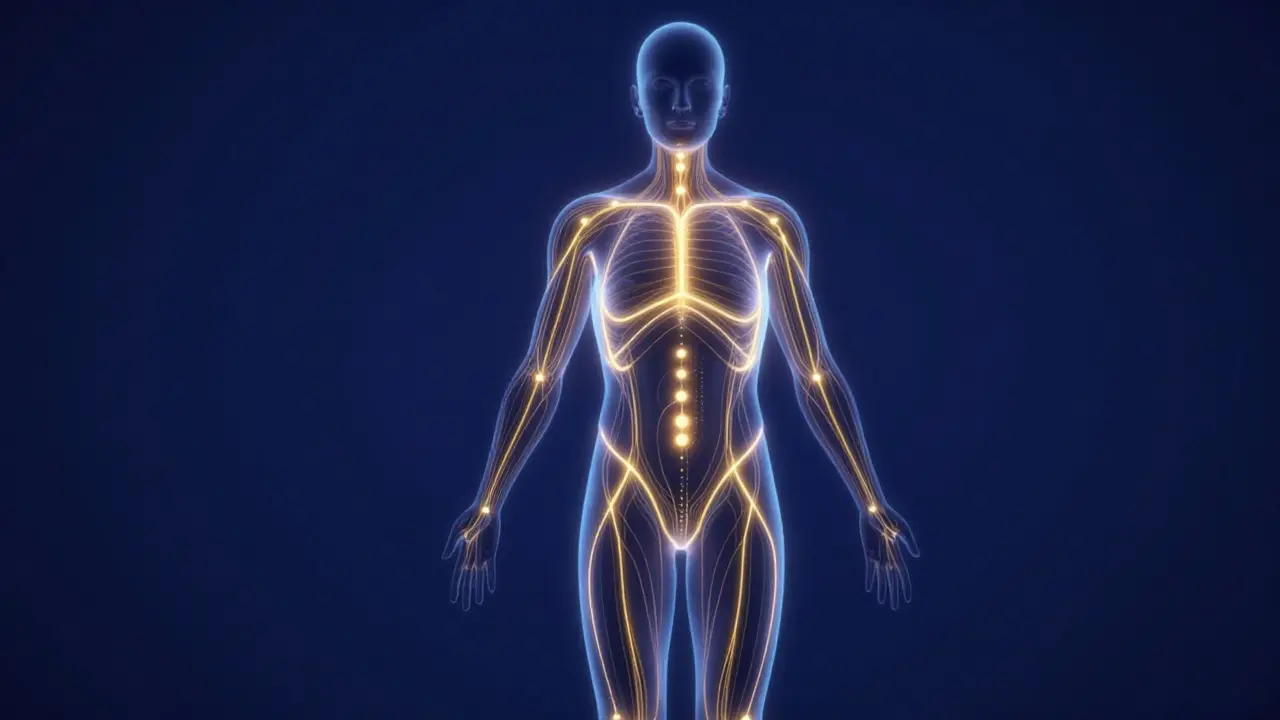
While Western anatomy focuses on nerves and muscles, traditional Thai medicine maps the body using energy pathways called Sen Lines. These are similar to meridians in Traditional Chinese Medicine. There are ten major lines believed to run vertically and horizontally across the body. Blockages in these lines are thought to cause pain or illness.
A skilled therapist will move their hands along these imaginary channels. They press, knead, and roll the skin to unblock stagnation. You might feel a tingling sensation or warmth spreading from the point of contact. This is not necessarily the therapist heating your skin with friction; it is a response to increased circulation. As blood rushes to the area, the metabolic waste products trapped in the muscle wash away. This process is why many clients report feeling lighter after the session ends.
| Feature | Thai Massage | Swedish Massage |
|---|---|---|
| Clothing | Worn throughout | Removed completely |
| Lubrication | None required | Oils or lotions used |
| Pressure Source | Body weight and leverage | Hand and forearm strength |
| Pace | Rhythmic, slower holds | Continuous, flowing strokes |
Understanding the Techniques Deeply
To truly appreciate the craft, you have to look at the specific tools the therapist uses. Their own body becomes the instrument. Knees, elbows, feet, and palms are all utilized depending on the depth required. If you have tough calves, the practitioner might use their elbow to apply firm pressure along the calf belly. This allows them to work deeper than their fingertips ever could without exhausting themselves.
Footwork is another sophisticated element. Some advanced practitioners walk along your legs or push against your hips using their feet. This requires immense balance and trust. The client lies perfectly still while the therapist balances atop them. It sounds intense, but the distribution of weight is calculated carefully. The goal is structural adjustment, not force.
Joint mobilization rounds out the toolkit. Shoulders, knees, and the neck are frequently rotated or shaken gently. This motion lubricates the synovial fluid inside the joint capsules. Think of it as shaking out a kinked hose to get the water flowing again. Once the fluid circulates freely, your range of motion improves immediately. Many athletes use this method to recover faster after games because it addresses mobility limits, not just soreness.
The Client Experience and Environment
Walking into a session is very different from walking into a clinic. You usually enter a room with a thick rubber mat on the floor. The temperature is kept warm to prevent shivering during the stretches. Soft music plays in the background, but conversation is encouraged. Unlike a silent spa retreat, talking about the intensity of the stretch is part of the process.
Communication is vital. You are not unconscious during this therapy. If a stretch hurts sharply, you must speak up. Pain indicates a protective reflex, not a healing moment. The therapist adjusts the angle or reduces pressure based on your feedback. This interaction makes the session customizable to your specific injuries or stiffness.
Clothing choice matters significantly. Wear comfortable, loose-fitting attire that allows your limbs to move fully. Tight jeans will restrict the leg extensions. Cotton t-shirts and elastic trousers work best. Because there is no oil involved, you won't slip off the mat unexpectedly. You remain grounded and stable throughout the hour-long treatment.
Health Benefits Beyond Relaxation
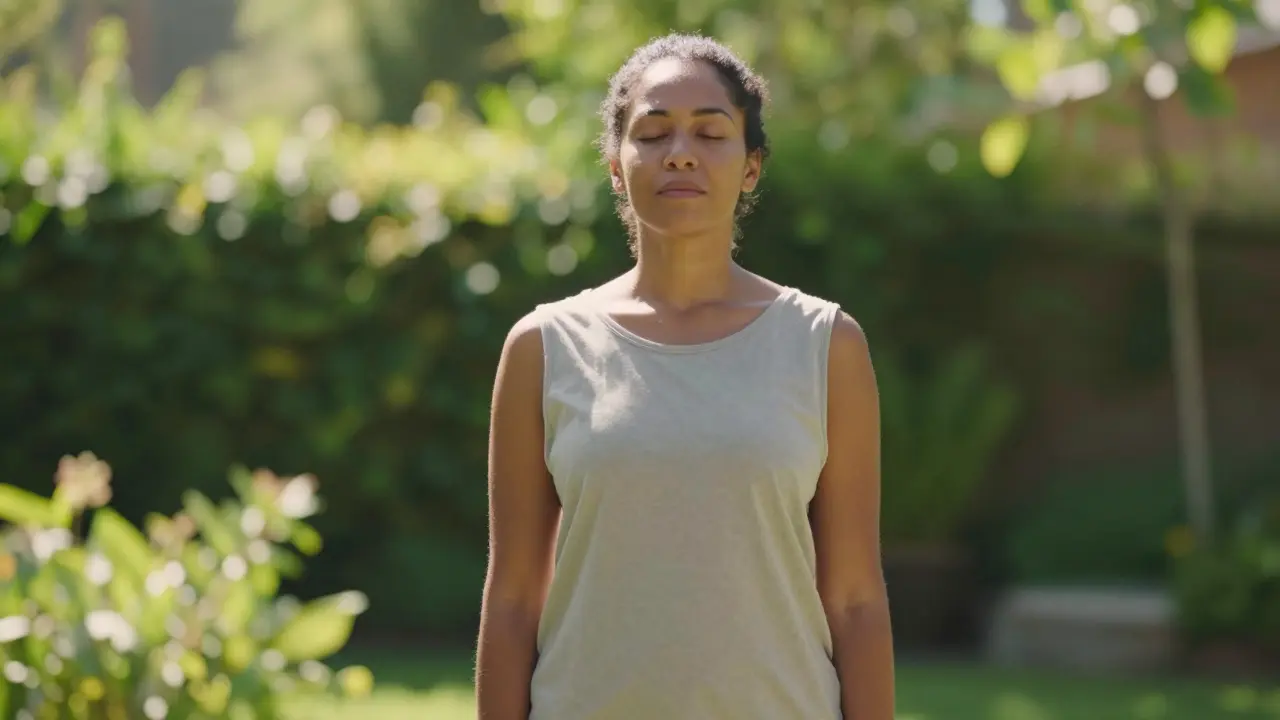
People often assume this is just for stress relief, but the physical outcomes are measurable. Regular sessions improve posture by releasing the pectoral muscles that pull your shoulders forward. When those chest muscles loosen, your thoracic spine naturally straightens. You stand taller without trying to force it.
Digestion receives help too. Abdominal massage techniques stimulate peristalsis, the wave-like contractions of the gut. Gentle compression over the stomach area encourages internal organs to shift slightly from their compressed resting positions. This movement can alleviate bloating and improve bowel regularity. It is a holistic approach that connects physical structure with internal function.
Mental clarity is a frequent side effect. The combination of physical exertion and mental focus required to relax into the stretches clears the mind. You cannot ruminate on work problems when you are holding a spinal twist. This forced presence acts as a reset button for the brain. Clients often leave feeling less foggy and more alert, which distinguishes it from sedative therapies.
Safety and Contraindications
This is not suitable for everyone without consultation. Pregnant women require modified techniques that avoid abdominal pressure and deep hip opening. People with brittle bone conditions like osteoporosis should seek medical approval first. Fractures or recent surgeries in the affected area are absolute no-gos. Even if a therapist is experienced, forcing bone or scar tissue to move prematurely can cause damage.
If you have high blood pressure, inform the provider beforehand. Certain head compressions or inversions may affect blood flow dynamics. A responsible therapist will modify the sequence to protect your heart rate and circulation. Always disclose your medical history honestly. The effectiveness relies on the therapist knowing your limits.
Do I need to remove my clothes?
No, Thai massage is performed fully clothed. Wear comfortable clothing that allows for easy movement, such as cotton pants and a t-shirt.
Does it hurt?
You may feel significant discomfort during stretches, but sharp pain is not desired. Communicate with the therapist immediately if pressure exceeds your tolerance.
How long does a session typically last?
Standard sessions range from sixty to ninety minutes. Longer sessions allow for a more comprehensive sequence covering all major body regions.
Can pregnant women receive this treatment?
Yes, but adjustments are necessary. Avoid deep abdominal work and certain leg stretches. Consult your doctor before booking any prenatal bodywork.
Is it better to stretch before or after the massage?
Since the treatment includes extensive stretching, additional independent stretching afterward is optional. Focus on gentle walking and hydration to aid recovery.