
The Secret Life of an Escort in Paris: An Insider's Perspective
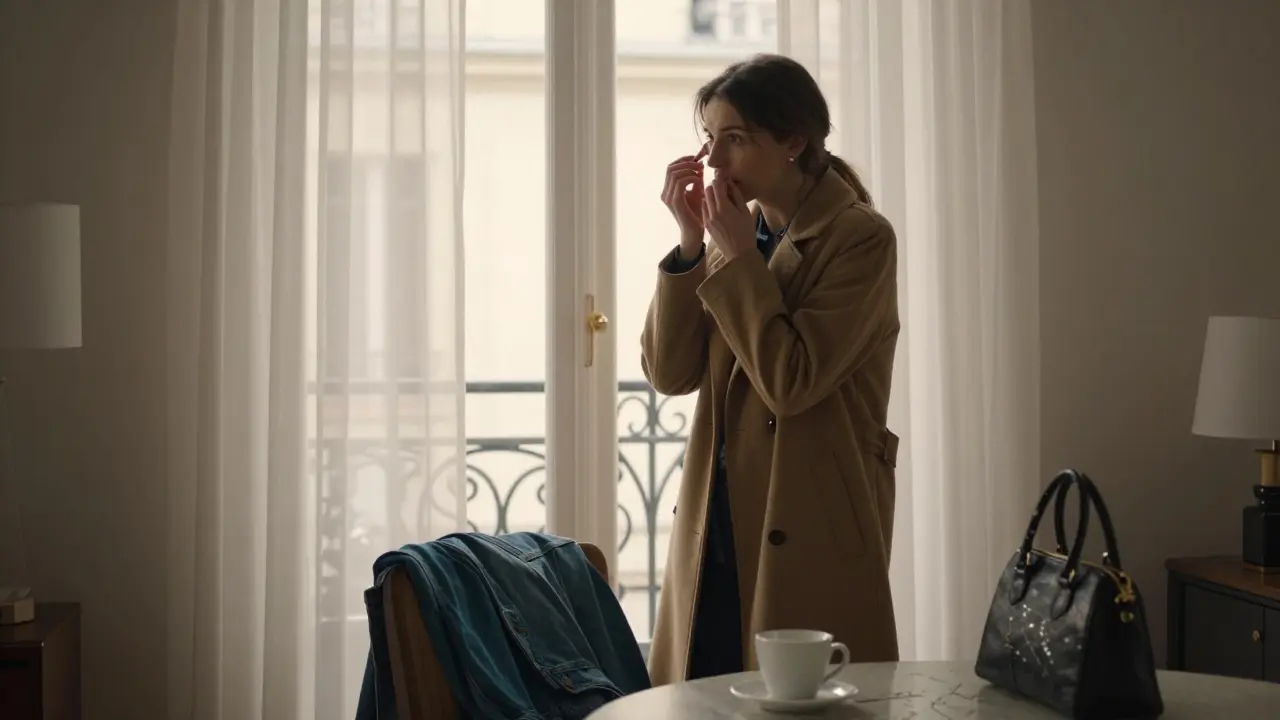
Most people see escorts in Paris as glamorous figures in designer dresses, stepping out of luxury cars at five-star hotels. But the truth? It’s not about the red carpets. It’s about showing up at 3 p.m. in a quiet apartment in the 16th arrondissement, changing out of your jeans, fixing your makeup in a cracked mirror, and waiting for a man who doesn’t know your name but expects you to know his preferences by heart.
How It Starts
I didn’t plan to become an escort. I was working as a freelance translator, barely making enough to cover rent in Le Marais. One night, a client I’d met at a language exchange asked if I’d be open to dinner-and then offered me €800 for the evening. Not for sex. Not for anything explicit. Just for company. Conversation. A walk along the Seine. He said he hadn’t had a real talk in months. I said yes. That first night changed everything. I realized I wasn’t selling sex. I was selling presence. And in a city where loneliness is cheaper than rent, that’s in high demand. Within six months, I quit my translation gigs. I built a simple website. No photos. No fake names. Just my real first name, a short bio, and a clear list of what I offer: dinner, walks, theater tickets, late-night coffee, and yes-intimacy, if that’s what the client wants. But only if it’s mutual. Only if I say yes.Who Clients Really Are
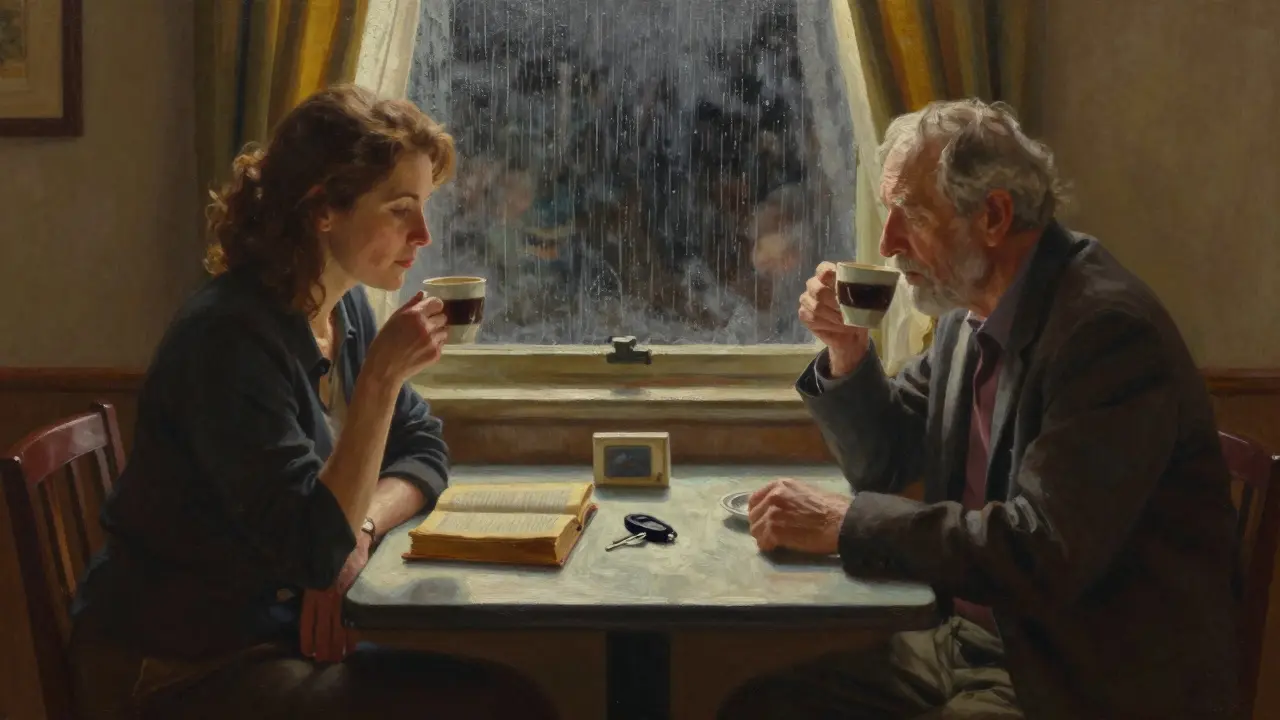
You’d think they’re all rich businessmen in tailored suits. Some are. But more often, they’re teachers from Lyon visiting for a conference. Retired engineers from Lyon who miss their wives. Single fathers who just want someone to sit with while they eat dinner alone. A 72-year-old widower who brings me a book he thinks I’d like. A 28-year-old programmer who cries when he talks about his breakup. I’ve had clients who paid me €2,000 for one night and never asked for sex. I’ve had others who offered €300 and tried to touch me without asking. I’ve learned to read the silence before they speak. The way they hold their coffee. The hesitation in their voice when they say, “I just need someone to be here.” Paris isn’t a city of romance. It’s a city of solitude. And escorts? We’re the quiet therapists who don’t take insurance.The Rules I Live By
There are no official rules. No union. No handbook. So I made my own.- No drugs. No alcohol. I never drink with clients. Never take anything they offer. If they’re high, I leave. No exceptions.
- No personal info. I don’t share my address, my phone number, or my social media. I use a burner email. They don’t get my last name. I don’t ask theirs.
- No repeat clients. I meet each person once. If they ask to come back, I say no. It keeps things clean. And it keeps me from getting attached-or worse, from becoming a habit they can’t break.
- Always leave first. I never wait for them to say goodbye. I say thank you, grab my coat, and walk out. Always. Even if they cry. Even if they beg.
- Never work alone in a stranger’s place. I only meet in hotels I book myself, or in my apartment. I always tell a friend where I am. And I have a panic button on my phone that sends my location to three people with one tap.
The Hidden Costs
The money’s good. I make between €1,500 and €4,000 a month, depending on the season. Summer’s slow. Winter’s busy. But the cost isn’t just financial. I lost friends. My sister stopped calling for six months. My mother thinks I’m a model. I let her believe it. I don’t go to family dinners anymore. I don’t post on Instagram. I don’t tell anyone I work in tourism. I smile when people ask what I do. “I help people feel less alone,” I say. It’s true. It’s not the whole truth. But it’s enough. The worst part? The guilt. Not because of what I do. But because I sometimes feel grateful for it. That I’ve found a way to survive in a city that eats people alive. That I can pay my rent, buy my own apartment, and still have enough to travel to Normandy in the fall.The Reality of Safety
People assume Paris is dangerous for women who work like this. It’s not. The real danger isn’t the clients. It’s the police. In France, sex work isn’t illegal. But soliciting is. Advertising is. And if you’re caught with a client in a hotel, you can be fined €1,500. The police don’t care if you’re safe. They don’t care if you’re consenting. They just want to make an example. I’ve had officers knock on my door twice. They didn’t arrest me. They asked if I was “being exploited.” I said no. They left. But I changed my number. I stopped using my real name on the website. I started meeting clients only in places with security cameras. There’s no legal protection. No health insurance. No sick days. If I get sick, I don’t work. If I get hurt, I pay out of pocket. I’ve had two clients try to force themselves on me. I called the police both times. They didn’t press charges. One said, “You’re not a victim if you chose this.” The other said, “Next time, use a condom.”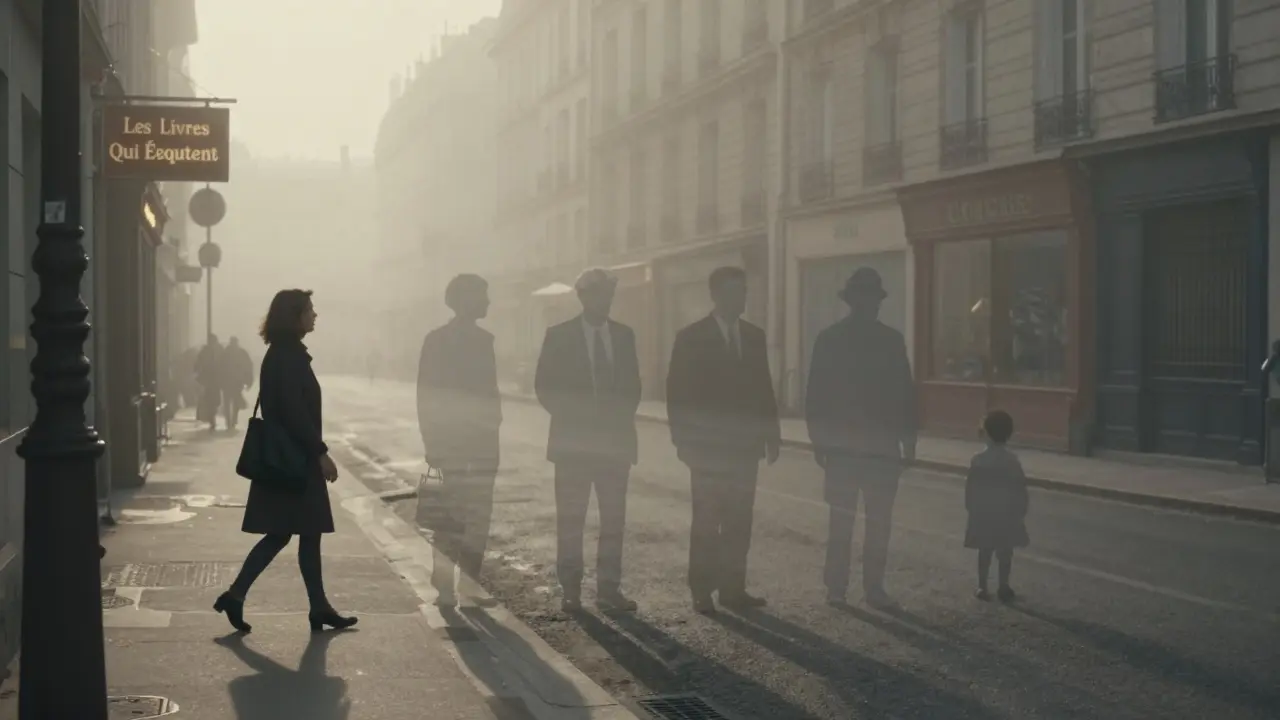
What No One Tells You
People think this life is about sex. It’s not. It’s about listening. About being seen. About holding space for people who’ve forgotten how to be vulnerable. I’ve had clients who cried because they missed their daughters. One brought me a handwritten letter from his son, who was in prison. Another gave me a keychain from his late wife’s purse. I keep them all. Not because I want souvenirs. But because I don’t want them to feel like they’re invisible. I don’t sleep with most of them. But I’ve held hands with more people than I ever have with a partner. I’ve listened to stories no therapist could afford to hear. And I’ve learned that loneliness doesn’t care if you’re rich or poor. It just waits for you to be alone.What Comes After
I’m 34. I don’t plan to do this forever. I’m saving for a small bookstore in Montmartre. Something quiet. A place where people can sit, read, and talk without paying. I want to hire other women who’ve worked like I have. Not to hide what they did. But to give them a space where they don’t have to pretend anymore. I don’t want to be remembered as an escort. I want to be remembered as the woman who let people be human-even if just for one night.Is it legal to be an escort in Paris?
Yes, selling sexual services is not illegal in France. But advertising, soliciting, and operating a brothel are. Escorts who work independently and avoid public solicitation operate in a legal gray area. Many avoid online ads, use coded language, and meet clients in private locations to reduce risk. Police may fine or question workers, but arrest is rare unless there’s evidence of coercion or trafficking.
How do escorts in Paris find clients?
Most independent escorts in Paris use private websites or encrypted messaging apps. They avoid platforms like social media or public escort directories. Many rely on word-of-mouth referrals from past clients or other workers. Some use discreet classified ads under categories like "companion services" or "cultural escort." Trust and reputation matter more than flashy profiles.
Do escorts in Paris work alone or with agencies?
The vast majority work independently. Agencies exist, but they’re risky. They often take 40-60% of earnings, impose strict rules, and can expose workers to exploitation. Independent escorts have more control over pricing, clients, and safety. Many join informal networks for support-sharing tips on safe locations, reporting dangerous clients, or covering shifts when someone is sick.
What’s the average pay for an escort in Paris?
Rates vary widely. A basic dinner and conversation might cost €200-€400. An evening including intimacy typically ranges from €600 to €1,200. High-end, long-term companionship (multiple meetings per week) can reach €2,000-€4,000 monthly. Many workers earn between €1,500 and €3,500 net per month, depending on frequency, client type, and seasonality. Winter and holidays bring the highest demand.
Are escorts in Paris at risk of violence?
Violence is rare, but it happens. Most escorts report that the biggest threats come from clients who feel entitled or from police harassment-not random attacks. Safety measures like meeting in public hotels, sharing location with a trusted contact, and using a panic button are standard. Many workers carry pepper spray or use apps like Noonlight. The real danger is the lack of legal recourse; reporting abuse often leads to fines or deportation for non-EU workers.
People ask me if I regret it. I don’t. I regret the silence I had to keep. I regret the lies I told my family. But I don’t regret the dignity I fought to keep. I didn’t sell my body. I sold my time. My attention. My calm. And in a city full of noise, that was the rarest thing of all.